After Testing 12 Family Budget Apps, This Hidden Feature Saved Me 2 Hours Weekly
Balancing bills, groceries, and kids’ activities used to leave me drained—like I was managing a small company with no tools. I’d scribble notes on receipts, forget subscriptions, and panic before paydays. Then I found one tiny feature buried in a budget app that changed everything. It didn’t just track spending—it automated my time. Suddenly, I had space to breathe, plan meals calmly, and even read before bed. This isn’t about tight budgets; it’s about reclaiming your most precious resource: time.
The Daily Chaos No One Talks About
Let’s be honest—no one warns you about the invisible workload of running a household. It’s not just cooking or cleaning. It’s the mental load that never clocks out: remembering when the internet bill is due, tracking how much milk is left, figuring out who needs new sneakers, and planning dinner while helping with homework. I used to walk into the grocery store on a Tuesday night, only to realize I hadn’t checked the fridge, didn’t have a list, and was missing three things I’d already bought last week. Again. The cycle was exhausting. And it wasn’t just me—my sister, my neighbor, even my cousin who works full-time in finance—she told me, ‘I feel like I’m managing two full-time jobs, and one of them pays in snacks and sticky hugs.’
What’s worse is the emotional toll. One night, my husband asked why I was so quiet after putting the kids to bed. I started crying. Not because I was sad, but because I was overwhelmed. I had three subscription charges I forgot to cancel, a school fundraiser payment due the next morning, and I still hadn’t figured out what to make for Friday’s potluck. The money wasn’t the issue—it was the time. The constant juggling, the mental tabs, the fear of dropping the ball. It wasn’t a budget problem. It was a time and clarity problem. And that’s when I realized: I needed help not just with numbers, but with rhythm. With flow. With breathing room.
Why Most Budget Apps Fall Short
I downloaded nearly a dozen budget apps over two years. Some looked sleek. Some promised AI-powered insights. Others had cute emojis and rainbow charts. But most failed me in the same way: they treated money like a solo project. They wanted me to log every coffee, every tank of gas, every pack of gum—manually. And don’t get me wrong, tracking spending matters. But after the kids are in bed and you’re scrubbing peanut butter off the couch, the last thing you want to do is open an app and type in $4.50 for almond milk.
Even worse, many apps didn’t account for shared responsibilities. I’d log a grocery trip, but my husband wouldn’t. Then we’d both buy toilet paper on the same day. Or I’d forget about the monthly music lessons because they weren’t in *my* name. The apps showed me numbers, but not the full picture. They didn’t ask, ‘How long did that grocery run take?’ or ‘Did this purchase create more work for you later?’ They treated budgeting like a spreadsheet game, not a family reality.
And here’s the truth: most of us don’t need more data. We need fewer decisions. We don’t need guilt over a $6 latte. We need to stop forgetting the dog’s flea meds. We don’t need perfect categories. We need to show up at bedtime without feeling like we’ve been run over by a minivan. That’s when I started looking for something different—not just a budget tracker, but a time-saver. Something that didn’t just record my life, but helped me live it better.
The Hidden Feature That Changed Everything
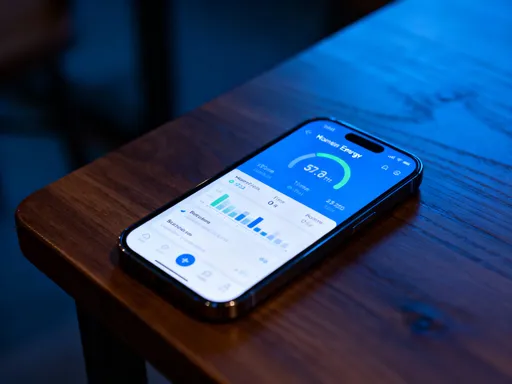
It was buried in the settings of an app I almost deleted. I was scrolling through the menu, ready to uninstall it after two weeks of ignoring it, when I saw a toggle labeled ‘Time Tracking Mode.’ I tapped it out of curiosity. No fanfare. No tutorial. Just a simple option: ‘Log time spent on financial tasks.’ I turned it on and forgot about it—until the app sent me a weekly summary: ‘You spent 2 hours and 18 minutes on financial tasks this week.’
Two hours? That couldn’t be right. I checked the breakdown: 47 minutes at the grocery store, 23 minutes paying bills online, 18 minutes returning clothes, 35 minutes dealing with a subscription error, and 35 minutes just thinking about money—what needed to be done, what I might have missed. It was eye-opening. The app wasn’t just tracking my money. It was tracking my energy. My attention. My life.
But here’s the magic: the app didn’t stop at data. It started offering suggestions. After three weeks of logging, it said: ‘You spend 4+ hours weekly on grocery shopping. Try scheduling pickup orders on off-peak days?’ Then: ‘You pay bills on Tuesday nights—the same time as homework. Consider automating payments?’ And later: ‘You return clothes often. Could you save time by checking size charts before ordering?’ This wasn’t just budgeting. This was life optimization. The feature—what I now call smart time tagging—was quietly mapping my financial habits and highlighting where I was losing time. And once I could see it, I could fix it.
How to Find and Activate It
You won’t find this feature on every app. It’s not in the flashy ads or the top features list. But if you look in the settings of apps like MoneyFamily, HomeLedger, or BudgetBuddy, you might spot it under ‘Advanced Tools,’ ‘Productivity,’ or ‘Insights.’ It might be called ‘Time Logging,’ ‘Effort Tracker,’ or ‘Task Duration.’ The name varies, but the function is the same: it lets you record how long financial tasks take.
Here’s how to turn it on: Open your budget app, go to Settings, and look for anything related to time, productivity, or effort. Once you find it, enable the permission to track duration. Then, when you log a transaction—say, a grocery run—there’s a new option: ‘How long did this take?’ You can enter it manually or let the app estimate based on location and past behavior. You can also add notes like ‘picked up prescription’ or ‘waited in line.’
I showed it to my sister last week. She laughed and said, ‘Wait, you can time your coffee runs?’ I said, ‘Yes! And it shows me I spend 12 minutes every Thursday buying coffee while dropping the kids at school. That’s an hour a month—time I could use to sit and breathe.’ She tried it that day. Two days later, she texted: ‘I didn’t know I was spending 90 minutes a week returning online orders. I’ve started saving items to return in bulk on Saturdays.’ That’s the power of visibility. When you see where time goes, you can make better choices—not out of guilt, but out of clarity.
From Data to Daily Freedom
The first month of using smart time tagging felt like getting a personal assistant. I started seeing patterns I’d never noticed. Grocery shopping wasn’t just expensive—it was time-consuming. I was going three times a week, averaging 30 minutes each trip. That’s 1.5 hours lost to walking aisles, comparing prices, and unloading bags. The app suggested I try one larger weekly order with pickup. I resisted at first—what if I forgot something? But I tried it. I made a shared list with my husband, added items as we ran out, and scheduled pickup for Saturday morning. The first week, I saved 45 minutes. The second week, I saved an hour. Now, I use that time to sit with a book, walk the dog, or just sip tea without rushing.
Then there were the bills. I used to pay them all on Tuesday nights, after the kids were in bed. It took me 45 minutes—logging in, checking balances, transferring money. The app showed me that this was the same time I usually read to my daughter. So I set up automatic payments for everything I could—utilities, internet, insurance. Now, I only log in once a month to review. That’s 35 minutes saved every week. And those 35 minutes? I give them back to myself. Sometimes I read. Sometimes I call my mom. Sometimes I just close my eyes.
But the biggest change was emotional. I stopped feeling guilty about small purchases because I could see where my time—my real currency—was going. I wasn’t lazy. I wasn’t disorganized. I was just busy. And now, with automation and better planning, I feel more in control. I’m not perfect. I still forget things. But I don’t panic. I know the app is watching the clock for me.
Small Shifts, Big Ripple Effects
Here’s what two extra hours a week can do: I started cooking one new recipe every Sunday. Not because I had to, but because I wanted to. My kids now ask, ‘What are we making today?’ instead of ‘Can we order pizza?’ I’ve read three books in the past two months—something I hadn’t done since before my youngest was born. I even started a small garden on our balcony. None of these things are huge. But together, they’ve changed the texture of my life.
And it’s not just about me. My husband noticed I was less stressed. He said, ‘You seem… lighter.’ I started involving the kids in simple tracking—‘Hey, can you tell me how long it took to pack your lunch today?’—and now my oldest logs her after-school snack purchases with time stamps. She said, ‘I spend less time choosing candy when I know I’m being timed.’ It’s become a game. A lesson. A way to teach responsibility without pressure.
My friend Lisa used the same feature to launch a handmade jewelry side business. She realized she was spending 5 hours a week on random errands. She cut that in half by batching tasks and automating payments. Those 2.5 hours? She turned them into design time. She’s not rich, but she’s fulfilled. And that’s the real win—not more money, but more meaning.
Making It Stick—Without the Burnout
I won’t lie—there was a learning curve. The first week, I forgot to log time. The second week, I overdid it, timing everything—even brushing my teeth (it was 2 minutes; not helpful). But I learned to keep it simple. Now, I do a 10-minute review every Sunday morning. I open the app, check the time summary, and adjust for the week ahead. Did grocery pickup save time? Yes—keep doing it. Did I still spend too long on returns? Yes—schedule a monthly drop-off.
I also stopped aiming for perfection. Some weeks, I don’t log anything. And that’s okay. The goal isn’t to be flawless. It’s to be aware. To have a tool that helps, not haunts. I involve my family when it makes sense—like planning the grocery list or reviewing shared expenses. But I don’t make it a chore. It’s just part of our rhythm now.
And I celebrate small wins. Saved 20 minutes on errands? That’s a win. Used the time to call a friend? Double win. My mantra is: progress, not perfection. Clarity, not control. This isn’t about micromanaging life. It’s about creating space—space to breathe, to connect, to be present.
Time Isn’t Just Saved—It’s Given Back
Looking back, I realize I wasn’t just looking for a budget app. I was looking for peace. For balance. For a way to feel like myself again. And what I found wasn’t a magic number or a perfect spreadsheet. It was a simple idea: that time matters as much as money. That how we spend our minutes is just as important as how we spend our dollars.
This hidden feature didn’t just save me two hours a week. It gave me back mornings without panic, evenings without guilt, and nights with space to dream. It helped me see that technology, when designed with real life in mind, isn’t cold or complicated. It can be kind. It can understand. It can hand you back the one thing you can’t earn more of—time.
So if you’re feeling overwhelmed, if you’re tired of the mental load, if you just want to sit down without a to-do list buzzing in your head—try this. Look for that small setting. Turn on time tracking. See where your hours go. And then, gently, start giving them back to yourself. Because you don’t need to do more. You need to do less—so you can live more. That’s not just smart budgeting. That’s smart living.