Tired of feeling anxious every time you leave the house? This smart alarm gave me back peace of mind
Walking out the door used to come with a nagging voice in my head: Did I lock the back door? Is the stove off? What if someone tries to get in while we’re asleep? I wasn’t just worried — I was exhausted from worrying. Then I installed a modern security alarm system that does more than just sound an alert. It quietly learns our routines, tracks our home’s safety patterns, and gently reminds me when something’s off — like a trusted friend watching our back. This isn’t about fear; it’s about feeling safe, present, and truly at ease in our own home.
The Quiet Anxiety No One Talks About
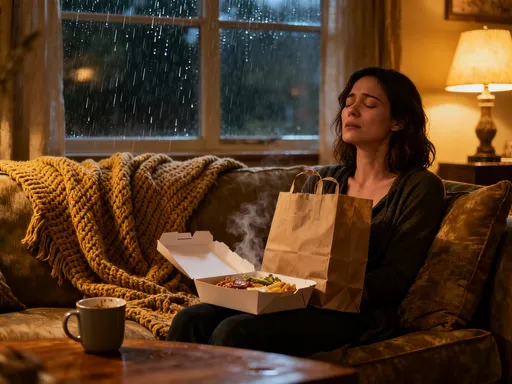
Have you ever walked halfway to work or the grocery store and suddenly stopped cold, heart skipping, because you couldn’t remember if you locked the front door? Or maybe you’ve laid in bed for 20 minutes, eyes wide open, replaying your evening routine: Did I arm the alarm? Did I close the garage? You’re not imagining things — and you’re definitely not alone. So many of us carry this low hum of worry about our homes, even when nothing bad has ever happened. It’s not paranoia. It’s the emotional cost of uncertainty — and it wears us down in ways we don’t always notice.
I used to think this was just part of being a responsible adult. I’d double-check the stove, triple-check the locks, and still feel uneasy. My mind would race during family movie nights, distracted by the thought of an open window upstairs. It wasn’t fear of danger — it was fear of forgetting. And over time, that constant mental load started affecting my sleep, my focus, even my mood. I’d snap at the kids over small things because I was already stretched thin by invisible stress. What I didn’t realize was that this wasn’t something I had to live with. Technology has quietly evolved to meet this very human need — not with loud sirens or flashing lights, but with gentle, intelligent support that works in the background of daily life.
What’s powerful is how normal this worry feels until you realize how much energy it actually steals from you. It’s like carrying a backpack full of rocks you didn’t know you were wearing. And the truth is, most break-ins don’t happen because of dramatic forced entries — they happen through unlocked doors, open windows, or predictable routines. That means peace of mind isn’t about extreme measures; it’s about consistency, awareness, and small, smart habits. When I finally admitted I didn’t have to tough it out — that help was available — everything started to shift.
From Fear to Freedom: How Security Became a Hobby
I never thought I’d say this, but monitoring my home’s safety became something I actually enjoy. Not in a creepy, surveillance way — but in the same way some people love tracking their steps, watering their plants, or organizing their pantry. It became a quiet form of self-care, a way to care for my family not just emotionally, but practically. At first, I approached it like a chore — something I ‘should’ do. But once I got a system that made it easy, even interesting, it stopped feeling like a burden and started feeling like empowerment.
There’s something deeply satisfying about seeing a notification that says, ‘Front door locked at 8:02 AM. System armed.’ It’s not just information — it’s reassurance. It’s proof that I showed up for my home, that I protected what matters. Over time, I began to notice patterns. I saw how often the back door was left unlocked on garbage day, or how many times the garage was accidentally left open after school drop-off. Instead of beating myself up, I started viewing it as data — helpful clues about where our routines needed a little tweaking. That shift changed everything. It wasn’t about being perfect; it was about getting better, one small win at a time.
And honestly? It made me curious. I started reading about home safety best practices, learning how motion sensors work, even exploring ways to integrate lighting and temperature controls. It wasn’t tech for tech’s sake — it was tech in service of calm, comfort, and care. I began to see my home not as a fortress, but as a living space that could be thoughtful, responsive, and supportive. That sense of control didn’t make me more anxious — it made me more present. I stopped living in the ‘what ifs’ and started living in the ‘I’ve got this.’
Meet the System That Learns Your Life
When I first looked into smart alarms, I expected something clunky — wires, codes, complicated apps that changed every time I blinked. What I found instead was a system that felt more like a quiet observer than a piece of machinery. It didn’t demand my attention; it earned my trust. The moment I installed it, it began learning — not just when the doors opened, but how we moved through the house, when we usually came and went, even how long the kitchen light stayed on after bedtime.
Think of it like this: most security systems wait for something to go wrong before they react. But this one pays attention to what’s right — and notices when things are off. For example, if the back door opens at 3 AM — something that never happens in our routine — it sends a quiet alert. But if my teenager comes home from a late study session at 10:45 PM on a Friday, it recognizes that as part of our pattern and doesn’t bother me. That’s the difference between a system that screams at every movement and one that understands your life.
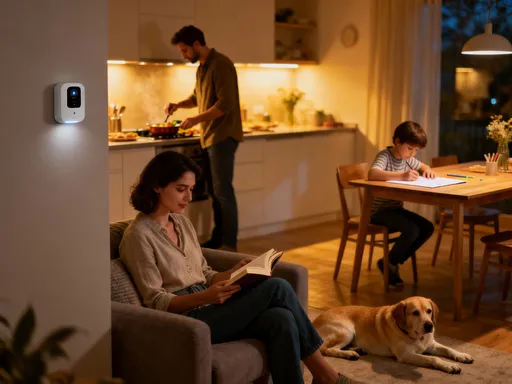
It uses simple sensors on doors and windows, motion detectors in key areas, and a central hub that connects to my phone. No complicated setup — just peel-and-stick sensors, a quick app download, and within an hour, I was protected. The app shows me a simple floor plan of the house, with little icons that turn green when everything is secure. I can arm or disarm the system with a tap, a voice command, or even automatically when my phone leaves or arrives. It’s not flashy, but it’s reliable — like a good neighbor who always knows when to knock and when to stay quiet.
And the best part? It adapts. When we go on vacation, I switch to ‘Away’ mode, and it becomes more sensitive. When we’re home late watching movies, it ignores motion in the living room but still watches the perimeter. It even remembers that my husband likes to get up for water at 2 AM and doesn’t send alerts for that. This isn’t artificial intelligence pretending to be human — it’s thoughtful design that respects how real families live.
Small Alerts, Big Relief: The Power of Progress Tracking
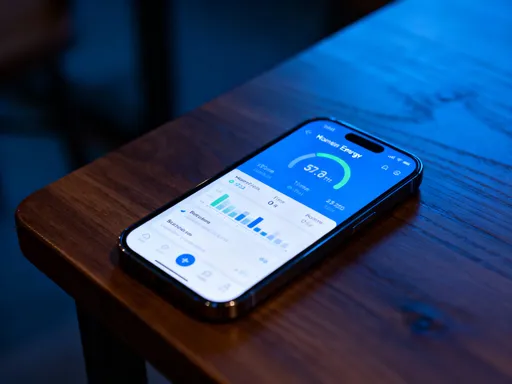
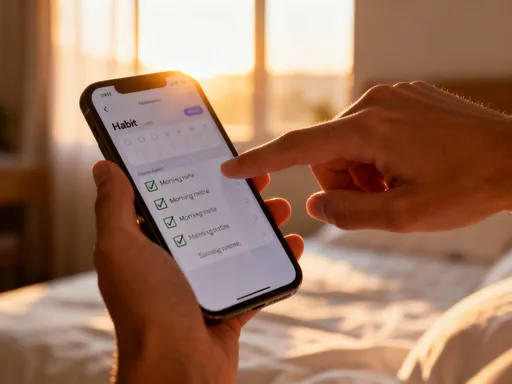
One of the most unexpected benefits has been seeing my safety habits improve over time. The system sends me a weekly summary — not a report card, but a gentle reflection. It shows me how many times I remembered to lock the doors, how often the alarm was armed on time, and even how consistent we’ve been with closing windows before bed. At first, I thought it would feel like being watched. Instead, it feels like being supported.
It’s like a fitness tracker for home safety. Just as seeing your step count can motivate you to take an extra walk, seeing that I locked the garage 6 out of 7 days makes me want to hit 7 next week. There’s no shame in the numbers — just encouragement. And when I do slip up, the system doesn’t scold me. It just sends a soft notification: ‘Back door is still unlocked. Would you like to lock it remotely?’ That tiny nudge has saved me so many U-turns back home.
What I love most is how it turns invisible effort into visible progress. Before, I’d go days without thinking about home security — until I panicked. Now, I’m building consistency without even trying. I’ve started setting little goals: This week, let’s arm the system every night by 9 PM. When we hit it, I feel a quiet sense of pride. It’s not about being perfect — it’s about showing up. And over time, those small wins add up to something bigger: confidence. I no longer wonder if I did the right thing. I know. And that knowledge is its own kind of freedom.
Making Safety a Family Ritual
Security isn’t just my job — it’s something we do together now. One of the most beautiful side effects of this system has been how it’s brought my family into the loop. My kids used to roll their eyes when I asked them to check the windows. Now, they get little badges in the app when they remember to close their bedroom window before bed. It’s playful, not punitive — and it’s made them more aware without feeling nagged.
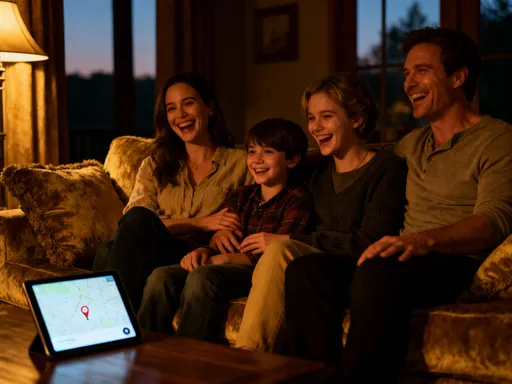
My husband and I share access to the app, so we can check in from work. If I’m running late, I can see that he already armed the system. If he’s traveling, he gets a notification when the kids get home from school — a small comfort that means the world. We’ve even started a little routine: every night before bed, we do a quick ‘security check’ together. It takes two minutes — locking doors, arming the system, making sure the stove is off. It’s become part of our evening ritual, like brushing teeth or saying goodnight.
What I didn’t expect was how this tiny habit strengthened our sense of teamwork. It’s not just about protection — it’s about care. When my daughter says, ‘Mom, I locked the front door!’ with real pride, I see that she’s not just following a rule — she’s learning responsibility, awareness, and how to look out for her family. And when my husband texts me a screenshot of the ‘All Secure’ screen while he’s on a business trip, it feels like a love note. We’re not just sharing a home — we’re sharing the responsibility of keeping it safe. And that connection? That’s priceless.
Beyond Alarms: Building a Calmer Home Life
The truth is, most of my anxiety wasn’t about burglars. It was about the little things: Did I leave the curling iron on? Is the garage door open again? What if a package gets stolen off the porch? The beauty of this system is that it helps with all of that — not just break-ins, but everyday peace of mind. It integrates with smart plugs, so I can check if the iron or coffee maker is still on. It connects to outdoor cameras that alert me when a delivery arrives — so I don’t have to hover by the window waiting.
And because it tracks patterns, it’s caught things I would’ve missed. Like the time the garage door opened by itself due to a malfunctioning remote. Or when the basement door was left ajar during a storm. These aren’t dramatic events — but they’re exactly the kind of things that keep us up at night. Knowing that the system is watching frees me to be present with my family, to enjoy dinner without distraction, to laugh during movie night instead of worrying.
This isn’t about living in fear — it’s about living with confidence. It’s about reclaiming mental space, reducing background noise, and creating a home that feels truly safe and supportive. When I look around now, I don’t see a house full of potential risks. I see a home that’s protected, cared for, and in sync with how we live. And that shift has changed more than just my security — it’s changed my mood, my energy, my ability to relax. I’m not just safer. I’m calmer. And that calm ripples out into everything — how I parent, how I work, how I connect with the people I love.
How to Start Your Own Safety Journey (Without Overthinking It)
If you’re thinking about trying something like this, I’ll be honest: I almost didn’t. I told myself I didn’t have time, that it would be too complicated, that I could just ‘try harder’ to remember. But here’s what I’ve learned — we don’t need to try harder. We need tools that make it easier. And you don’t have to go all-in right away. Start small. Pick one thing that worries you — maybe the back door, or the stove — and find a simple solution. It could be a smart lock, a stove sensor, or a basic alarm system. Just one step.
Set a tiny goal: This week, I’ll arm the system every night before bed. Celebrate when you do it. And if you forget? No guilt. Just try again tomorrow. The goal isn’t perfection — it’s progress. Over time, you’ll build habits that feel natural, supported by technology that works quietly in the background. And you don’t have to do it alone. Talk to your partner, involve your kids, make it a family project. Turn it into something positive, not stressful.
Most importantly, reframe how you think about security. This isn’t about fear. It’s about care. It’s about showing up for your home, your family, and yourself. It’s a form of self-respect — saying, I deserve to feel safe. I deserve to rest easy. And when you make that shift, something beautiful happens: the anxiety fades, and in its place grows a quiet, steady confidence. You start to trust yourself again. You start to breathe.
So if you’ve been carrying that backpack of worry, I want you to know — you don’t have to keep wearing it. There’s help. There’s hope. And there’s a way to feel truly at home in your own home. You’ve got this. And more importantly — you’re not alone.