From Overwhelmed to Empowered: How Smart Route Planning Gave Me Back My Mornings
Ever woken up already tired, dreading the chaotic scramble of your morning walk or jog? I did too—until I discovered how route planning tools could do more than just map a path. They reorganized my thoughts, eased my stress, and turned exercise from a chore into a calm, personal ritual. It wasn’t just about fitness—it was about taking back control of my time and energy, one smart route at a time. And if you’ve ever felt like your morning routine is running you instead of the other way around, I want you to know: there’s a simpler way. It starts with something as small as choosing where to walk—but it can change everything.
The Morning Struggle: When Fitness Felt Like Another Task on the List
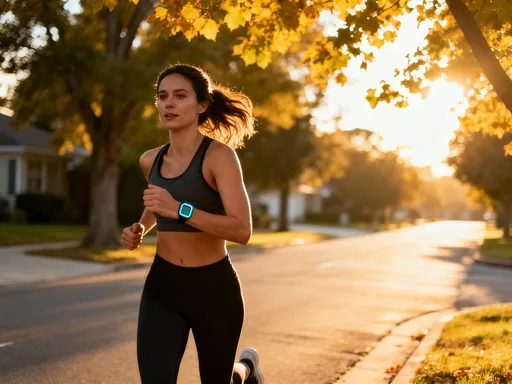
Let’s be honest—my mornings used to be a mess. I’d wake up late, rush to find my shoes (why is one always under the couch?), grab a granola bar while trying to remember if I’d fed the dog, and then force myself out the door for a walk I wasn’t even excited about. The route? Always the same: around the block, past the mailbox, back home. Boring. Predictable. And honestly, kind of pointless-feeling. I wasn’t enjoying it, I wasn’t seeing progress, and I definitely wasn’t feeling refreshed.
Exercise was supposed to help me feel better, but instead, it felt like just one more thing on the to-do list. I’d come back sweaty and still stressed, wondering why I’d bothered. And I know I’m not alone. So many women I talk to—moms, busy professionals, caregivers—say the same thing: they want to move their bodies, but the whole process feels overwhelming. It’s not that we lack motivation. It’s that the little decisions—what to wear, where to go, how long to stay out—add up. By the time we’re ready to step outside, we’re already mentally drained.
That’s when I realized something important: it wasn’t the walking that was the problem. It was the planning. The uncertainty. The mental load of having to figure it all out every single day. What if, I thought, I didn’t have to decide? What if I could just… show up? That’s when I started looking for a better way—and that’s when I found smart route planning tools.
Discovering the Right Tool: More Than Just a Map on My Phone
It started with a casual conversation. My friend Lisa mentioned she’d been using a fitness app that suggested her walking routes based on how much time she had and how she was feeling that day. “It’s like having a personal trainer in my pocket,” she said. I rolled my eyes a little—another app? Really? But I was desperate for a change, so I gave it a try.
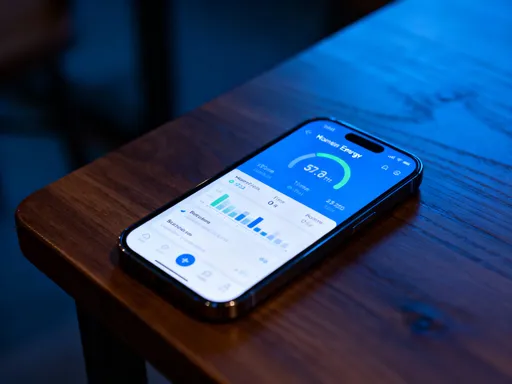
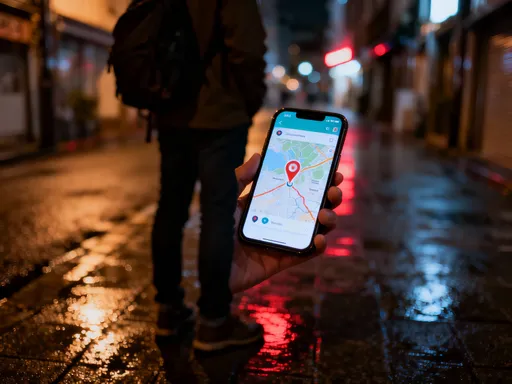
I downloaded a route planner designed specifically for walkers and runners. It wasn’t just a GPS tracker or a map. It asked me a few simple questions: how much time I wanted to spend outside, what kind of terrain I preferred, whether I wanted something flat or hilly, quiet or lively. I even added notes like “low energy today” or “need to clear my head.” And then—this was the magic part—it gave me a route. Not just any route. A personalized one.
The first time I followed it, I was skeptical. I opened the app, tapped “20-minute walk,” and let it guide me. Instead of circling my neighborhood, it took me down a tree-lined side street I’d never noticed, through a small park with a fountain, and back along a quiet path behind the school. I saw flowers I hadn’t seen before. I passed a woman walking her golden retriever, and we smiled at each other. For the first time in months, I didn’t look at my watch. I just walked.
That’s when it hit me: this wasn’t just about getting from point A to point B. It was about being present. The app wasn’t replacing my choices—it was simplifying them. It removed the friction, the guesswork, the mental clutter. And in doing so, it gave me space to actually enjoy the walk. I didn’t have to think about where to go. I could just focus on how I felt. And that made all the difference.
How Smart Routing Organizes More Than Your Path
What surprised me most was how much more thoughtful these tools are than I expected. They don’t just avoid busy roads or pick the shortest distance. They learn your preferences. After a few weeks, the app started recognizing patterns. On mornings after a late night, it suggested flatter, shorter routes. When I logged that I was feeling anxious, it routed me through green spaces—parks, tree canopies, trails with water features. Science shows that nature reduces stress, and this app seemed to know that intuitively.
It also helped me build consistency without burnout. Instead of pushing me to go farther every time, it gently introduced variety. One day, it added a small hill—just enough to challenge me. The next, it offered a longer loop with benches where I could pause and breathe. It wasn’t about performance. It was about progress in a way that felt sustainable. I started to trust the process because it never asked too much of me.
And here’s the thing: when your body feels supported, your mind follows. I began to notice that on days I followed a suggested route, I was calmer, more focused, even more patient with my kids. It was as if the app wasn’t just organizing my walk—it was organizing my day. The structure it provided spilled over into other areas of my life. I started meal planning more easily. I felt less overwhelmed by chores. The clarity I found on my walks started showing up at home, at work, in my relationships.
These tools don’t just save time. They save mental energy. And for someone like me—who spends most of her day making decisions for other people—having one less choice to make in the morning was a gift. It wasn’t just about fitness anymore. It was about preserving my peace.
Turning Routines into Rituals: The Emotional Shift
There’s a big difference between a routine and a ritual. A routine is something you do out of habit or obligation. A ritual is something you do with intention and meaning. And slowly, without even realizing it, my morning walk shifted from one to the other.
When I stopped worrying about the route, I started noticing other things. The way the light hits the trees in early spring. The sound of birds waking up before the cars do. The elderly couple who wave at me every Tuesday and Thursday. I began carrying a small notebook to jot down ideas that came to me mid-walk. I started greeting neighbors by name. I even found myself humming—something I hadn’t done in years.
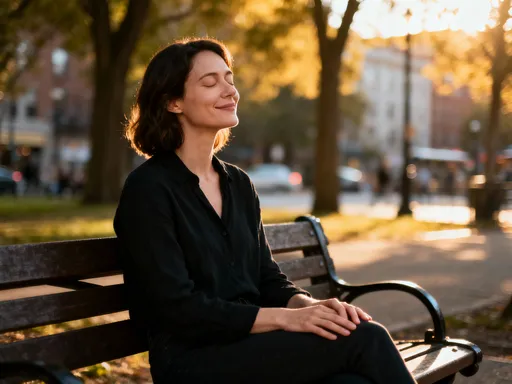
What used to feel like a box to check became a moment I looked forward to. I wasn’t just moving my body. I was reconnecting with myself. The silence—real silence, not the kind you get after the kids finally fall asleep—gave me space to breathe, to reflect, to just *be*. I wasn’t solving the world’s problems on these walks. But I was remembering who I was outside of my roles as mom, wife, employee, caregiver.
And that’s when I realized: self-care isn’t always about face masks or long baths. Sometimes, it’s about showing up for yourself in small, consistent ways. It’s about giving yourself the gift of ease. When technology removes the friction, it creates space for joy. And that’s exactly what happened. My walk stopped being about calories burned or steps taken. It became about the way the air smelled after rain. About the way my shoulders dropped when I turned onto a shaded path. About the quiet pride of doing something just for me.
Sharing the Journey: Strengthening Family and Personal Bonds
One of the most unexpected benefits was how this personal habit started bringing people closer. I began sharing my favorite routes with my sister, who lives 20 minutes away. We started scheduling weekend walks together, syncing our apps so we could follow the same path and talk the whole time without distractions. No phones, no traffic, no interruptions—just us, moving side by side.
She told me things she hadn’t shared in years—about feeling invisible at work, about her struggles with confidence. And I opened up too. There was something about walking that made hard conversations feel easier. Maybe it’s the rhythm of our steps. Maybe it’s the lack of eye contact. But whatever it is, it works. We’re not just getting exercise—we’re rebuilding our connection.
Even my teenager got involved. One evening, the app suggested a “night glow” route—a path lit by solar lanterns and fireflies in a nearby nature preserve. I mentioned it at dinner, half-joking. “You’d never go,” I said. “Too boring.” But she surprised me. “Actually,” she said, “that sounds kind of cool.” So we went. Just the two of us. We walked slowly, pointed out shapes in the clouds, talked about school, her friends, her dreams. For the first time in a long time, she didn’t have her headphones in. She was present. And so was I.
That night changed something between us. It wasn’t just a walk. It was a moment of connection in a phase of life that can feel so disconnected. And it happened because a simple tool helped me find the right path—not just for my feet, but for my heart. Technology didn’t pull me away from my family. It brought me closer to them.
Building Confidence, One Route at a Time
I didn’t set out to become more confident. I just wanted to walk without dreading it. But confidence isn’t always built in big moments. Sometimes, it grows in tiny, consistent actions. Every time I followed a route and finished feeling good, I proved something to myself: I can show up. I can follow through. I can take care of myself.
At first, I stuck to the 20- and 30-minute walks. But as I got stronger, the app gently suggested longer routes. One day, it offered a 5K path through a botanical garden. I hesitated. Could I really walk that far? But I trusted the process. I started slow. And when I finished, I cried. Not because it was hard—but because I’d done it. I’d trusted myself. I’d listened to my body. I’d completed something that felt meaningful.
That small victory bled into other areas. I started speaking up more at work. I set boundaries with people who drained my energy. I said no without guilt. The confidence I built on the path started showing up everywhere. And I realized: when you prove to yourself that you can do hard things in one area of life, it changes how you see yourself in all areas.
This wasn’t about becoming a fitness expert. It was about becoming someone who believes in herself. And that shift—quiet, steady, consistent—has been the most powerful change of all.
A Smarter, Calmer Life: What Happens When Technology Truly Supports You
Looking back, the biggest transformation wasn’t in my fitness level. It was in my sense of calm. My mornings used to be chaotic. Now, they’re intentional. I wake up with space instead of stress. I move with purpose instead of pressure. And I start my day feeling centered, not scattered.
Smart route planning didn’t just give me better walks. It gave me back my time, my focus, my peace. It reminded me that technology doesn’t have to be overwhelming or addictive. When it’s designed with care and empathy, it can simplify our lives instead of complicating them. It can support us in ways that feel human, not robotic.
I’m not saying this tool fixed everything. Life is still busy. There are still messy days, tough moments, and endless to-do lists. But now, I have a way to ground myself. I have a practice that helps me reset, reconnect, and remember what matters. And that’s worth more than any step count.
If you’re feeling overwhelmed, if your self-care feels like just another chore, I want to encourage you: try letting go of the planning. Let a tool help you. Find a route that feels right. Show up. Walk. Breathe. Notice. You don’t have to do it perfectly. You just have to do it—consistently, kindly, for yourself.
Because when technology serves us in ways that honor our humanity, it doesn’t replace our choices. It makes space for them. And in that space, we find not just better routines—but better versions of ourselves. Calmer. Clearer. More connected. More *us*. And really, isn’t that what we all want?”