From Hobby Chaos to Calm Creation: How Smart Home Upgrades Quietly Changed My Life
You know that hobby you love—but somehow never have time for? I felt the same, until I stopped seeing my home as just a place to live and started seeing it as a quiet partner in my creativity. No more rushed moments, forgotten supplies, or energy-draining setups. With a few thoughtful smart upgrades, my space began to support me—gently guiding me back to painting, reading, and playing music. It wasn’t about high-tech flair. It was about finally making room for what I love. And if you’ve ever felt like your day slips away before you get to do the things that truly feed your soul, I think you’ll understand why this matters so much.
The Hobby That Kept Getting Lost
I used to believe I just wasn’t disciplined enough. Every few months, I’d buy a new sketchpad, load up on colored pencils, and promise myself: This time, I’ll draw every day. I’d watch YouTube tutorials, save Pinterest boards, and feel that spark of excitement. But within a week, life would rush back in. The kids needed help with homework, dinner had to be made, laundry waited, and suddenly, my art supplies were buried under mail and grocery bags. The guilt followed—why couldn’t I stick with something that brought me joy?
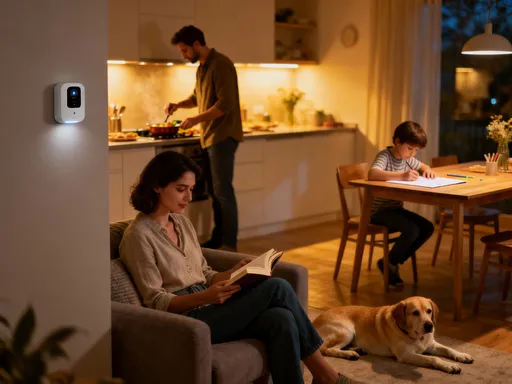
It wasn’t until I started paying attention to my environment that I realized the real problem wasn’t me. It was my space. My home, as cozy as it was, wasn’t helping me. It was competing with me. Lights were too harsh when I wanted to relax. The corner where I kept my guitar was right next to the TV, so every time I picked it up, someone asked, “Are we watching something?” Even the noise level fluctuated—doorbells, phone alerts, the hum of the refrigerator—tiny distractions that chipped away at my focus. I wasn’t lazy. I was overwhelmed by a home that didn’t support my creative rhythm.
And I know I’m not alone. So many women I talk to—mothers, caregivers, partners, professionals—tell me the same thing: “I used to love to paint/write/play an instrument, but there’s just no time.” But what if it’s not about time? What if it’s about the quality of the moments we do have? What if our homes could be designed not just for chores and comfort, but for joy, for growth, for the quiet acts of self-expression that keep us whole?
Redefining the Role of Technology in Daily Joy
When I first heard about smart homes, I pictured futuristic houses with voice-activated everything and lights that changed color for no reason. Honestly, it felt a bit flashy—like tech for tech’s sake. I didn’t want my home to feel like a lab. I wanted it to feel like me. So I started asking a different question: not What can this gadget do? but How can this help me live the way I want to live? That small shift changed everything.
Instead of thinking about smart tech as a tool for efficiency—like turning off lights remotely or checking the doorbell camera—I began to see it as a tool for intention. Could my home help me slow down? Could it protect my quiet time? Could it gently remind me of what matters? I realized that technology didn’t have to be cold or complicated. It could be warm, subtle, and deeply personal. It could become a quiet ally in my daily life, helping me show up for myself in ways I’d been neglecting.
This wasn’t about chasing the latest gadget. It was about choosing a few meaningful upgrades that aligned with my values—creativity, calm, connection. And the more I leaned into that mindset, the more I noticed how small changes could create big emotional shifts. A light that turns on softly in the evening doesn’t just brighten a room—it signals safety, permission, a pause. A speaker that plays gentle rain sounds isn’t just background noise—it creates a bubble of focus. These aren’t luxuries. They’re acts of care, built into the walls of my home.
Lighting the Mood: How Smart Lights Guide You Back to Creativity
Let’s talk about light—because it’s more powerful than we give it credit for. Think about it: when you walk into a room with bright, cool-toned lighting, what’s your body’s first reaction? Mine is to brace for work. That kind of light is great for the kitchen at 7 a.m. when you’re making breakfast, but it’s not exactly inviting when you want to sit with a sketchbook or strum your guitar. I used to turn on the same overhead light every evening, not realizing how much it was working against my mood.
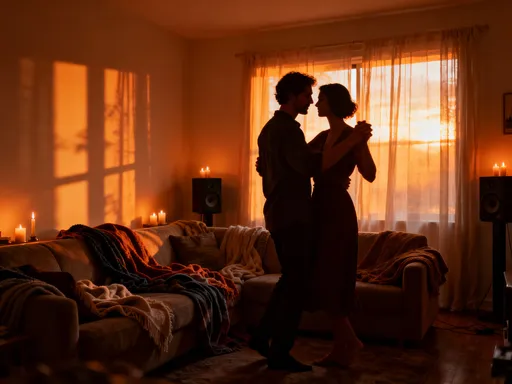
Then I tried something simple: I replaced a few bulbs with smart, dimmable ones that let me adjust the color and brightness. I created a scene I call “Studio Mode”—a warm, amber glow that turns on slowly at 7:30 p.m., just as the kids are settling into bed. The change was subtle, but the effect was immediate. That soft light didn’t demand anything from me. It didn’t say “Be productive!” It whispered, “It’s okay to create. This time is yours.” No decisions, no effort—just a space that felt ready for me.
You don’t need a full smart lighting system to try this. Even one smart bulb in your favorite chair’s lamp can make a difference. Set it to turn on at a certain time, or use a voice command like, “Hey Google, it’s creative time.” Over time, your brain starts to associate that light with a shift in mindset. It’s like a lullaby for your focus. And for someone who’s spent years feeling too tired or too distracted to pick up a hobby, that kind of gentle invitation can be everything.
Soundscapes That Protect Your Focus
Have you ever tried to read a book while the TV is on in the next room? Or attempted to write in a house where every noise pulls your attention? I have, and it’s exhausting. Our brains aren’t built to multitask well, especially when it comes to creative work. Flow—the state where you lose track of time because you’re so absorbed—requires safety, consistency, and quiet. But real life is rarely quiet.
That’s where smart speakers and soundscapes came in. At first, I used them just to play music. But then I discovered ambient sounds—gentle rain, ocean waves, even the soft crackle of a fireplace. I started playing them at low volume in the background during my creative time. It wasn’t about drowning out the world. It was about creating a consistent auditory environment, a kind of sonic blanket that told my brain: You can relax now. No surprises. No sudden noises. Just focus.
I programmed my smart speaker to turn on “Focus Mode” at the same time as my lights. With a single voice command, the room shifts—light dims, sound begins, and the temperature adjusts slightly for comfort. It’s like a ritual, but one that takes zero effort. And the best part? My family knows what it means. When they hear the rain sound, they whisper, “Mom’s in her zone.” It’s become a quiet boundary, respected without words.
You don’t need expensive equipment. Most smart speakers have built-in ambient sounds, or you can use free apps with nature audio. Try starting with 20 minutes a day. Let the sound cue your brain that this time is different. Over time, you’ll find it easier to slip into focus, even in a busy household.
The Magic of “One-Touch” Hobby Mode
One of the biggest barriers to starting a hobby isn’t lack of interest—it’s friction. Think about it: how many times have you wanted to paint, but then remembered you’d have to set up the easel, find the brushes, turn on the light, plug in the lamp, adjust the music? By the time you’re ready, you’re already tired. That’s exactly what used to happen to me.
So I created a “Create Mode” using my smart home system. With one voice command—“Alexa, start Create Mode”—everything happens at once. The lights shift to my warm studio setting. The speaker begins playing my focus soundscape. The smart plug turns on my desk lamp. Even the smart thermostat adjusts the room to a slightly warmer temperature, because I’ve noticed I create better when I’m cozy.
This wasn’t magic. It was just a few devices, connected through a simple app. Most smart home platforms—like Alexa, Google Home, or Apple Home—let you create custom scenes with just a few taps. You don’t need to be a tech expert. You just need to know what makes your creative space feel right. What lighting? What sound? What temperature? Once you’ve figured that out, you can automate it.
The beauty of this is that it removes the mental load. You don’t have to decide anything. You don’t have to set anything up. You just say the words, and your home says back, We’re ready for you. And that small shift—from effort to ease—makes all the difference in whether you actually show up for yourself.
When the Home Remembers So You Don’t Have To
One of the quietest joys of smart home tech is how it handles the little things—the things that, when forgotten, can derail your rhythm. I used to forget to charge my tablet, and then when I finally had time to read, the battery would die after ten minutes. Or I’d open my sketchbook and realize I was out of my favorite pencil. These small frustrations added up, making me feel like even my hobbies were a chore.
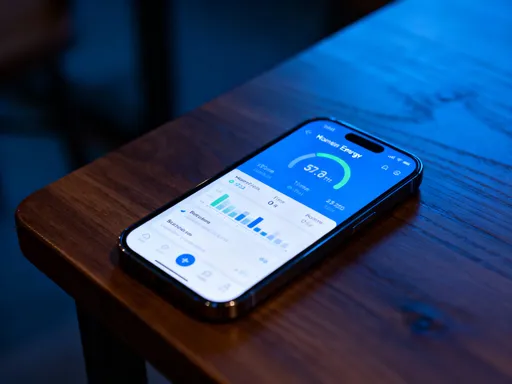
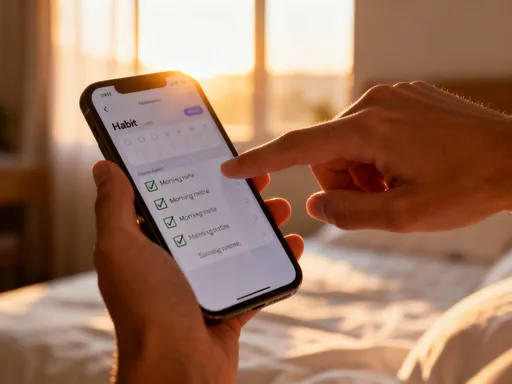
Now, smart plugs and sensors help me stay on track. I have a smart plug on my tablet charger, set to turn on every evening at 8 p.m.—right after dinner, before my creative time. It charges quietly in the background, so when I want to read, it’s ready. I also use a smart sensor on my art supply drawer. When I open it less than twice a week, I get a gentle notification: “You haven’t drawn in a while. Want to try tonight?” It’s not pushy. It’s like a friend checking in.
These automations aren’t about surveillance. They’re about support. They help me stay consistent without pressure. And over time, that consistency builds confidence. I started reading more. I began sketching regularly. I even picked up my guitar again. Not because I suddenly had more time, but because my home was helping me use the time I already had—more gently, more intentionally.
You can start small. Try setting a smart plug to charge your e-reader at night. Or use a voice assistant to remind you weekly: “It’s been a while since you played music. Want to try for ten minutes?” These nudges aren’t about guilt. They’re about kindness—tiny acts of care that help you stay connected to what you love.
Making Space for Who You Want to Be
Looking back, I realize that my home wasn’t the problem. It was just neutral—neither helping nor hurting. But once I started shaping it with intention, everything changed. It became more than a place to sleep, eat, and clean. It became a reflection of who I wanted to be: someone who makes time for creativity, who values quiet, who shows up for herself.
These smart upgrades didn’t transform my life overnight. But they created space—small, consistent pockets of time and energy where I could reconnect with the things that bring me joy. And in those moments, I didn’t just paint or read or play music. I remembered who I am beyond my roles. I remembered that I’m not just a mom, a partner, a worker—I’m also an artist, a dreamer, a woman with passions worth nurturing.
That’s the real magic of technology when it’s used with care: it doesn’t replace us. It supports us. It helps us become more fully ourselves. Your home doesn’t have to be high-tech to be healing. It just has to be thoughtful. It just has to say, You matter. Your time matters. Your joy matters.
If you’ve been putting off your hobby because you’re “too busy” or “too tired,” I want to gently challenge that story. Maybe you’re not too busy. Maybe your environment just isn’t helping you yet. And maybe—just maybe—a few small, smart changes could be the quiet nudge you’ve been waiting for. Because you deserve a home that doesn’t just hold your life, but helps you live it—fully, softly, beautifully.