It’s not just about better sleep: Smart mattresses that helped our community finally relax together
Have you ever lied awake, knowing someone in your household is doing the same? We all carry stress, and it shows up in how we sleep. That tension used to ripple through our family—until we started sharing more than just a home. We started sharing rest. When our neighborhood tried smart mattress adjustments together, something unexpected happened: we didn’t just sleep better. We connected deeper, supported each other’s rhythms, and finally found relief from the quiet struggle of choosing what’s best for our bodies.
The Night We Realized We Were All Struggling Alone
It started with coffee and a sigh. My neighbor Sarah was stirring her mug a little too slowly, eyes half-shut, when she muttered, "I don’t know how much longer I can do this." I thought she meant work, or kids, or aging parents. But no—she meant sleep. She hadn’t had a full night’s rest in months. Hot flashes woke her up, and the pillow never felt right, the mattress too firm in some places, too soft in others. She was exhausted, and embarrassed to admit it. But the moment she said it, three other women at the table nodded. One was a young mom with a baby who finally slept through the night—except she couldn’t. Her back ached, her hips felt strained, and she’d wake up gripping the edge of the bed like she was afraid of falling. Another was a college student home for the summer, complaining of constant lower back pain after long hours hunched over her laptop. And then there was Margaret, 72, who said every morning felt like "being unglued and slowly reassembled."
We all assumed we were alone. That our sleep struggles were personal failures, signs we weren’t trying hard enough, weren’t strong enough. But that morning, we realized something powerful: discomfort wasn’t rare. It was everywhere. And yet, every solution we’d tried felt isolating. We bought special pillows that didn’t help. We layered expensive toppers over sagging mattresses. We drank herbal tea, turned off screens, did breathing exercises—and still, we woke up tired. The real problem wasn’t just our bodies. It was that we were solving it in silence. We weren’t sharing what hurt, what helped, or what we needed. We were all suffering quietly, under the same sky, in homes just blocks apart. And no one had asked because no one wanted to seem like they were complaining. But that day, we did ask. And everything changed.
How a Simple Tech Experiment Brought Us Together
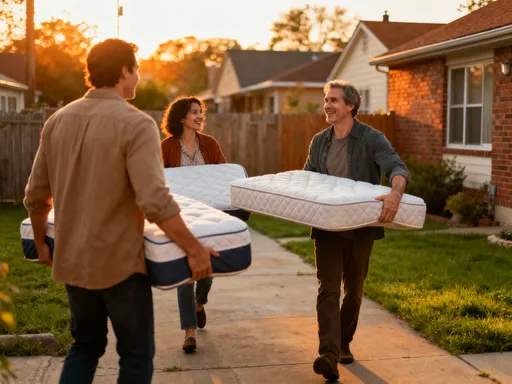
Sarah’s daughter, who works in tech, mentioned smart mattresses—beds that adjust firmness in real time, based on how you move during the night. We laughed. "You mean like robots under the sheets?" someone joked. It sounded like something from a movie, not something that could help real people in real homes. But curiosity got the better of us. We didn’t want to buy anything. We didn’t want to be sold to. But what if we could just… try it? Three families agreed to rent adjustable smart beds for a month. No pressure. No contracts. Just a shared experiment among friends.
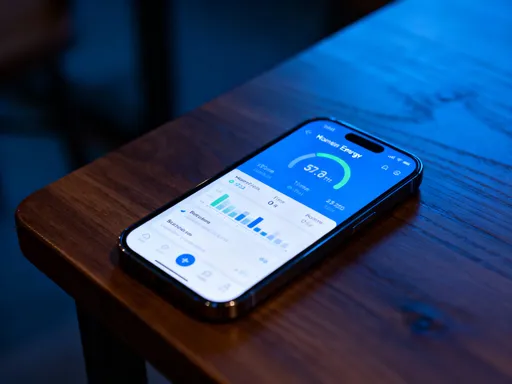
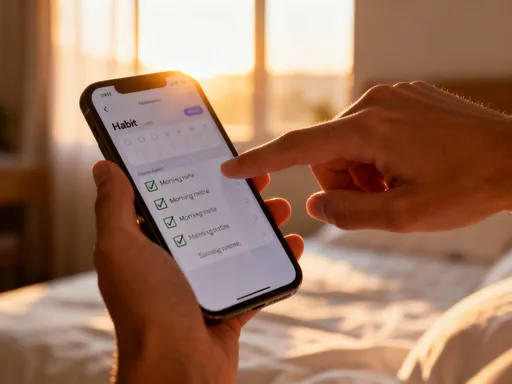
The first week was full of surprises. My husband kept waking up to check the app on his phone. "It says I shifted 47 times last night," he said, baffled. I didn’t know I tossed that much either. But the data wasn’t judgmental—it was informative. The mattress noticed when I rolled onto my side and automatically softened under my hips. It detected when my partner snored and gently raised the head of the bed to ease his airway. We started sharing notes in a group chat: "My lower back didn’t ache this morning!" or "I slept through the storm last night—didn’t even wake up." The technology wasn’t flashy. There were no blinking lights or robotic arms. It was quiet, subtle, almost invisible. But it was paying attention. And because it was, we started paying attention too. We began asking each other real questions: "How did you sleep?" not as a polite gesture, but as a real inquiry. We compared settings. We celebrated small wins. And slowly, we stopped seeing sleep as a private battle and started seeing it as something we could face together.
Sleep Isn’t Just Personal—It’s Shared
We used to think of sleep as the one time we were truly alone. But the truth is, our rest affects everyone around us. When I’m tired, I’m short with the kids. When my husband doesn’t sleep, he’s sluggish at work and irritable at dinner. A restless night ripples through the house like a stone dropped in still water. We didn’t realize how much we were impacting each other until the smart mattresses gave us a window into our nights. One morning, Lisa, a neighbor in her 50s, said her husband had apologized to her. "He said, ‘I didn’t know I was keeping you awake.’" She’d mentioned, almost offhand, that she’d been waking up every time he shifted. The data showed he was turning over 60 times a night—mostly because his shoulder was pinching when he lay flat. The bed adjusted, supported him better, and suddenly, she was sleeping too.
Another couple realized the "snoring" that had driven them to sleep in separate rooms wasn’t snoring at all—it was the sound of him constantly adjusting his position because his lower back hurt. Once the mattress supported him properly, the noise stopped, and so did the distance between them. One woman said, "I used to think my husband was lazy in the mornings. Now I know he was just in pain." These weren’t just physical fixes. They were emotional breakthroughs. We weren’t just learning about our bodies—we were learning about each other. The technology didn’t replace empathy. It revealed where empathy had been missing. And that made all the difference.
From Confusion to Clarity: Making Choices as a Group
Before the experiment, choosing a mattress felt impossible. Every ad promised the "perfect" sleep, but what worked for one person felt wrong for another. "Too firm," "too soft," "not enough support"—everyone had a different opinion. We’d all been sold the idea that comfort was subjective, that we had to figure it out alone. But when we started comparing data across our group, patterns emerged. We noticed that side sleepers over 50 often needed softer hip support. People who worked at desks benefited from slightly firmer lumbar zones. Younger folks with active lifestyles preferred more bounce; older adults valued pressure relief.
We began creating simple guides—nothing fancy, just notes in a shared document. "Best settings for post-menopausal sleepers," "Ideal firmness after long days on your feet." We stopped guessing. We stopped doubting ourselves. We started trusting the feedback from our bodies, recorded by the technology, confirmed by our neighbors. One woman said, "I spent years thinking I was too picky. Now I know I was just paying attention." Another admitted she’d been using the wrong setting for months because she thought she "should" like what the salesperson recommended. But the data didn’t lie. When her back pain decreased by 70% after switching to a personalized firmness level, she stopped apologizing for her needs. We weren’t just making better choices. We were reclaiming the right to know what our bodies actually required—and to ask for it without shame.
Building a Culture of Care, One Night at a Time
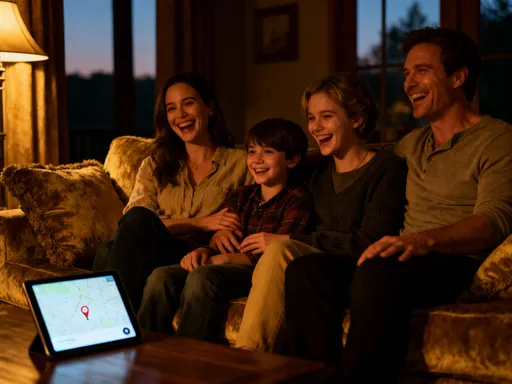
What started as a tech trial became something much bigger. We began hosting "Sleep Evenings" once a month—no agenda, no pressure. We’d gather in someone’s living room, bring blankets, dim the lights, and just… rest. Some people napped. Others journaled. Kids learned to notice how their bodies felt after different activities. Teens compared sleep scores like they used to compare phone batteries. Elders shared stories of how sleep had changed over the decades. We weren’t chasing productivity. We were practicing presence.
The smart mattresses didn’t replace these moments—they made them possible. Because we were sleeping better, we had the energy to show up. Because we were more rested, we were more patient, more kind. One father told me his daughter said, "You’re not grumpy in the mornings anymore." He laughed, but his eyes got a little wet. "I didn’t realize how much I was carrying," he said. Another woman started bringing her mother over for weekend visits. "She sleeps so much better here," she said. "I think it’s not just the bed. I think it’s knowing she’s not a burden." These weren’t small changes. They were quiet revolutions in how we cared for each other. We weren’t just fixing sleep. We were rebuilding connection—one calm night, one shared breath, one honest conversation at a time.
Practical Steps to Start Your Own Community Journey
You don’t need smart mattresses for everyone to begin. You don’t need a big budget or a tech background. What you need is one conversation. Start by asking someone—your partner, your neighbor, your sister—"How’s your sleep, really?" Listen without fixing. Share something about your own rest. Maybe you wake up stiff. Maybe you’re tired all day but can’t fall asleep at night. Maybe you’re embarrassed by how much you snore. Just name it. That’s where healing starts.
Then, consider a small, shared experiment. Could you and a friend rent a smart mattress for a month? Could your book club or PTA group negotiate a group discount? Could you start a sleep journal together, tracking how you feel each morning? Use technology as a bridge, not a cure-all. Let it help you see patterns, not replace intuition. The goal isn’t perfect sleep scores. It’s deeper understanding. It’s learning to say, "I’m not okay," and having someone say, "Me neither. What if we figure it out together?" Trust grows in those moments. And trust is what makes real change possible. One group in Ohio started with five families. Now they have a waiting list. A church group in Minnesota turned their fellowship hall into a weekend sleep lab. They tested pillows, mats, even lighting—anything that could help. It wasn’t about the gadgets. It was about saying, "We see you. We’re here."
Rest That Connects: The Ripple Effect of Feeling Understood
Better sleep wasn’t the end goal. It was the doorway. As we rested more deeply, we began to live more gently. We stopped snapping at our kids over spilled milk. We started listening when our partners shared their worries. We had more patience for aging parents, more energy for aging bodies. We stopped treating comfort as a luxury reserved for the wealthy or the young. We started seeing it as a basic human need—one we could support in each other.
The smart mattress didn’t fix everything. It didn’t erase stress or solve life’s problems. But it gave us something priceless: a language for care. It gave us a reason to check in, to notice, to adjust—not just the bed, but our expectations, our habits, our hearts. We learned that rest isn’t selfish. It’s how we refill our cups so we can pour into others. And when we rest together, we don’t just heal our bodies. We heal our relationships. We rebuild empathy. We create homes where everyone feels held, seen, and supported—day and night. That’s not just better sleep. That’s a better way to live. And it starts with a simple question: "How did you sleep?" Try asking. You might be surprised by the answer—and by how much closer it brings you.