More Than Just Delivery: How Food Apps Gave Me Back My Evenings
Life used to feel like a never-ending race—work deadlines, family meals, household chores. I’d stare into the fridge, exhausted, with no energy to cook. Then food delivery apps became my quiet ally. Not for indulgence, but for balance. They didn’t just bring meals—they gave me back time, reduced stress, and helped me show up more fully at home. This is how personalization in food tech quietly transformed my work-life rhythm. It wasn’t magic, just smart tools meeting real needs at the right moment. And honestly? It changed everything.
The Evening Crunch: When “What’s for Dinner?” Feels Like a Crisis
There was a time when 6 p.m. felt like the most stressful hour of my day. My phone would buzz with a text from my sister: “Hey, what’s for dinner?” and my stomach would drop. Not because I didn’t care, but because I was already drained. The workday had taken everything—my focus, my patience, even my appetite—and now I was supposed to magically produce a healthy, tasty meal? The fridge offered half-used lettuce, a sad-looking bell pepper, and a container of rice from three nights ago. I’d stand there, blank, knowing I should cook, but also knowing I just… couldn’t.
And then came the guilt. Not the fun kind, like when you eat an extra cookie. This was deeper—the kind that whispers, “You’re not doing enough.” I’d heat up a frozen lasagna, eat it in silence while scrolling through emails, and feel like I was failing—failing my body, failing my family, failing the idea of what a capable woman “should” be. I wasn’t alone in this. So many of us are juggling full-time jobs, side responsibilities, and the invisible load of keeping a home running smoothly. We’re not lazy. We’re stretched. And dinner? It became the daily symbol of that stretch—the moment when all the pressures collided.
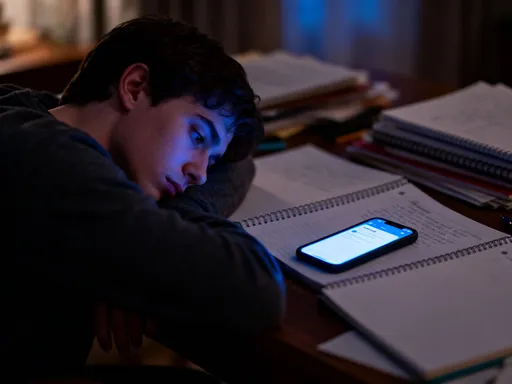
I remember one night, after a 12-hour shift, I burst into tears because I couldn’t decide between pasta or stir-fry. My partner gently suggested ordering something, and I snapped, “I can’t keep doing this every night!” But the truth was, I didn’t have another option that felt sustainable. That’s when I started wondering—what if technology could help not by replacing me, but by supporting me? What if the tools we use every day could actually lighten the load, instead of adding to it?
How Food Apps Stopped Being a Treat and Started Being a Tool
At first, I only used food delivery apps when I was sick or when it was pouring rain. It felt like a treat—like giving myself a little break. But over time, I noticed something: I wasn’t using them because I was lazy. I was using them because I was tired. And there’s a big difference. The mental energy it takes to plan, shop, prep, cook, and clean up after a meal is real. For someone already giving 100% at work and at home, that extra 20% can feel impossible to find.
Then I started using the app more intentionally. Instead of browsing aimlessly, I saved my favorite meals—the grilled salmon bowl from the Mediterranean place, the veggie curry with brown rice, even the occasional comfort-food mac and cheese. I set dietary preferences: low sodium, high protein, plant-based options. And slowly, the app began to remember me. No more scrolling through 50 pizza places when all I wanted was a warm, nourishing soup. The suggestions got smarter. The experience got smoother. It wasn’t about avoiding cooking—it was about choosing when to cook, and when to rest.
I realized that using the app wasn’t a sign of failure. It was a sign of strategy. Just like I use a calendar app to manage my schedule or a reminder app to track errands, this was another tool in my daily toolkit. It helped me reduce decision fatigue—the mental exhaustion that comes from making too many small choices. By the time dinner rolled around, I didn’t have to ask myself, “What do I feel like eating?” The app already knew. It was like having a helpful friend who says, “Hey, you ordered this last Tuesday after your big meeting. Want it again?” And honestly, sometimes the answer was yes. And that was okay.
Personalization That Actually Knows Me: Beyond “You Might Like”
Let’s be honest—early versions of food apps felt clueless. I’d open the app at 8 a.m. and see “Spicy Sichuan Noodles” or “Late-Night Tacos.” No, thank you. I was drinking coffee and trying to wake up, not planning dinner. The suggestions felt random, like someone guessing blindly. But over the past few years, something shifted. The apps started learning—not just what I ordered, but when, why, and under what circumstances.
Now, if it’s a cold, rainy evening and I’m running late from work, the app surfaces warm, comforting meals—miso soup, lentil stew, creamy risotto. If I’ve been ordering lighter meals all week, it gently nudges me toward something balanced, like a grain bowl with roasted vegetables and grilled chicken. If I’m at home on a Sunday afternoon, it shows brunch spots with outdoor seating and strong coffee. It’s not perfect, but it’s thoughtful. It feels less like an algorithm and more like a quiet understanding.
One night, after a particularly long week, I opened the app and saw my usual Thai curry—exactly what I’d been craving. But right below it was a new option: a turmeric-ginger soup from a place I’d never tried, labeled “Recommended for tired days.” I clicked on it, read the description—immune-supporting, anti-inflammatory, soothing—and thought, “Whoa. That’s exactly what I need.” I ordered it, and it was delicious. But more than that, I felt seen. The technology wasn’t just serving food—it was responding to my life. That’s when I realized: personalization, when done right, isn’t creepy. It’s caring.
Eating Well Without the Effort: Health That Fits Real Life
I’ve always wanted to eat healthier. But the reality is, I don’t have three hours on Sunday to chop vegetables and portion meals. I don’t have the mental bandwidth to calculate macros or track every ingredient. And I certainly don’t want to feel guilty every time I’m too tired to cook. So I used to swing between extremes: strict meal prep for three days, then takeout for four. It wasn’t sustainable. It wasn’t kind.
Then I discovered the health filters in the app. With one tap, I could sort by “high protein,” “low carb,” “gluten-free,” or “plant-based.” I started saving meals that made me feel good—meals that gave me energy, didn’t leave me bloated, and actually tasted great. I created a “Feel-Good Favorites” list. Now, when I’m tired and need something fast, I go straight to that list. No second-guessing. No guilt. Just food that supports my body and my life.
What surprised me most was how this small change affected my mindset. Instead of thinking, “I should be cooking,” I started thinking, “I’m making a choice that honors my energy.” And that shift mattered. I began to see healthy eating not as a rigid rule, but as a flexible practice—one that could adapt to my real, messy, beautiful life. The app didn’t make me perfect. But it helped me make better choices, more consistently, without the pressure.
More Time, Less Stress: The Hidden Gift of a Thoughtful Meal Plan
Time is the one thing we can’t get more of. And yet, so much of it gets lost in the small gaps—deciding what to eat, driving to the store, standing in line, carrying bags home. I used to spend at least two hours every week just on grocery runs. That’s two hours I could have spent reading, resting, or talking to someone I love. And that doesn’t even count the mental energy spent planning meals or worrying about what was in the fridge.
Now, when I order dinner, I’m not just getting food—I’m buying back time. Fifteen minutes that I can use to stretch, call my mom, or sit quietly with a cup of tea. Those moments add up. I’ve started using my evenings differently. Instead of collapsing on the couch after cooking, I now have the energy to play board games with my niece, help my sister with her budget, or even start a new book. The app didn’t give me extra hours in the day, but it gave me back the ones I was losing to stress and routine.
And the best part? I feel more present. When I’m with my family, I’m not mentally calculating what’s for dinner tomorrow or wondering if I need to pick up milk. I’m actually there—laughing, listening, breathing. That presence is priceless. It’s not about doing more. It’s about being more. And sometimes, the simplest tech tools can create the space for that.
A New Kind of Self-Care: Prioritizing Energy Over Perfection
We’ve been taught that self-care means face masks, long baths, and expensive retreats. And sure, those are nice. But real self-care, the kind that sustains us, is about protecting our energy. It’s about making choices that help us show up as our best selves—not just for others, but for ourselves. For me, that means recognizing when I’m running on empty and giving myself permission to rest.
Using food apps is part of that. It’s not about avoiding responsibility. It’s about choosing where to spend my effort. I’d rather use my energy to listen to a friend who’s struggling, to mentor a younger colleague, or to learn a new skill—than to fight with a stuck jar lid or burn dinner because I was too tired to focus. When I let the app handle dinner, I’m not being lazy. I’m being strategic. I’m investing my energy where it matters most.
And the results show up in unexpected ways. I’m calmer. I laugh more. I have more patience with my family. I even sleep better. It turns out that reducing one daily stressor can have a ripple effect on your whole life. Technology, when used with intention, becomes less of a distraction and more of a support. It becomes part of a lifestyle that values balance, not burnout.
Reclaiming Balance, One Meal at a Time
This journey wasn’t about giving up cooking or abandoning responsibility. It was about rethinking what it means to take care of myself and my home. I still cook—when I want to, when I have the energy, when it brings me joy. But now, it’s a choice, not a chore. And when I don’t feel like cooking? I don’t have to. That freedom is everything.
Personalized food apps didn’t make me dependent. They made me deliberate. They helped me create a life where work, health, family, and personal growth aren’t in constant conflict. They gave me back my evenings—not just in minutes, but in peace, presence, and possibility. In a world that glorifies busyness and demands constant productivity, sometimes the most radical act is to simply pause. To say, “I’ve done enough.” To let technology handle the small things so I can focus on the big ones.
If you’re feeling overwhelmed by the daily grind, I want you to know: it’s okay to use tools that make life easier. It’s okay to prioritize your energy over perfection. And it’s more than okay to reclaim your time—one thoughtful meal at a time. Because you deserve to feel balanced. You deserve to breathe. And sometimes, the quietest tech can help you do just that.