What If Your Learning Habit Is Holding You Back?
We’ve all been there—signing up for online courses with big dreams, only to lose momentum days later. I did too. But what I discovered wasn’t about willpower. It was about how often I showed up. Not the platform, not the content, but my usage rhythm. Small, consistent clicks built real growth. This isn’t about grinding harder. It’s about showing up smarter. And it changed everything. I remember staring at my course dashboard one quiet evening, feeling that familiar mix of guilt and frustration. Another unfinished module. Another promise to myself broken. I wasn’t lazy. I wasn’t uninterested. I just kept starting and stopping, like a car that wouldn’t stay in gear. I thought the problem was me—until I realized the real issue was hiding in plain sight: my habit wasn’t consistent, and consistency, it turns out, is the quiet engine of real change.
The Moment I Realized My Online Learning Was Failing
I used to believe that transformation came from big, dramatic efforts. I’d sign up for a course with excitement—something about mindful parenting or digital organization—and promise myself I’d finish it in a month. I’d watch three videos in one weekend, feel accomplished, then life would get busy. A sick child, a work deadline, a family gathering—suddenly, the course vanished from my mind. Weeks later, I’d log back in, only to realize I couldn’t remember the first lesson. The frustration built slowly, like dust on a shelf. I started questioning myself. Was I not disciplined enough? Did I lack focus? Was I just not cut out for this kind of growth?
Then one day, I decided to look at the data. I pulled up my login history, not for judgment, but for curiosity. What I saw surprised me. My usage wasn’t about time—it was about rhythm. I had long stretches of silence interrupted by short bursts of activity. I was treating learning like a sprint when it needed to be a daily walk. That’s when it hit me: I wasn’t failing because I didn’t care. I was failing because my approach didn’t match how real learning works. The courses weren’t the problem. My habit was. And habits, I realized, can be redesigned.
I started asking different questions. Instead of ‘How much can I do at once?’, I asked, ‘How can I show up every day, even for just a moment?’ That small shift in thinking changed everything. I stopped waiting for the perfect time, the quiet house, the uninterrupted hour. I began to accept that real progress doesn’t demand perfection—it demands presence. And presence, I learned, is something I could choose, no matter how full my day was.
Why Frequency Matters More Than Duration
For years, I believed that if I wasn’t spending hours on something, I wasn’t really doing it. Two-hour weekend sessions felt productive—until I realized I was forgetting most of what I learned by Monday. I’d rewatch the same video multiple times, not because it was hard, but because my brain hadn’t stored it. That’s when I stumbled on a simple truth backed by science: our brains learn best through repetition, not intensity. Think of it like watering a plant. You wouldn’t dump five gallons of water on it once a week and expect it to thrive. It needs small, regular drops. The same goes for learning.
When I switched to just 15 minutes a day, something shifted. I wasn’t absorbing more information—but I was losing less of it. My brain had time to process, connect, and remember. I started noticing that I could recall tips, apply strategies, and even teach small concepts to my kids. The content hadn’t changed. The platform hadn’t improved. But my rhythm had—and that made all the difference. Frequency builds familiarity. Familiarity builds confidence. And confidence, more than any certificate, is what keeps you going.
What I also realized is that short, daily sessions don’t just help memory—they reduce resistance. When learning feels like a marathon, it’s easy to avoid it. But when it’s a five-minute video while your coffee brews, it stops feeling like a chore. I began to see consistency not as a burden, but as a gift. Each small session was a quiet promise to myself: ‘You matter. Your growth matters. And it’s worth showing up for, every single day.’
How My Daily Ritual Transformed Passive Watching Into Real Growth
Let’s be honest—most of us don’t really ‘learn’ when we watch online courses. We scroll, we pause, we multitask. I used to do the same. I’d play a lesson while folding laundry or checking emails. I felt productive, but nothing stuck. It was like trying to fill a cup with a hole in the bottom. The information poured in, but it never stayed. I wasn’t engaging. I was just consuming.
The turning point came when I created a tiny ritual. Same time every day—after breakfast, before the house woke up fully. One short lesson. No phone, no distractions. Just me, my laptop, and 10 focused minutes. And here’s the part that changed everything: I added a two-minute recap. After the video, I’d close my eyes and say out loud, ‘What did I just learn? How can I use it today?’ That simple act turned passive watching into active learning. My brain had to retrieve the information, process it, and connect it to real life.
Suddenly, I wasn’t just watching—I was applying. I started using new phrases in conversations, trying small productivity tricks, and even sharing ideas with my sister over the phone. The platform didn’t change. The content was the same. But my behavior did. And behavior, more than any tool, shapes results. That daily ritual became sacred—not because it was long, but because it was mine. It was a moment of clarity in a busy day, a small act of self-investment that added up in ways I never expected.
The Hidden Power of Micro-Progress
We’re taught to chase big wins—certificates, promotions, dramatic transformations. But what I’ve learned is that real change lives in the small moments. The quiet ‘aha’ when you remember a tip during a stressful moment. The confidence that comes from using a new word correctly. The pride in solving a problem without looking it up. These micro-wins, tiny as they seem, are the building blocks of lasting growth.
When I started celebrating these small victories, everything shifted. I stopped measuring success by completion bars and started noticing how I felt. Calmer. Clearer. More capable. One day, my daughter looked at me and said, ‘You’ve been different lately. You don’t get as stressed when things go wrong.’ That moment hit me harder than any certificate ever could. My learning wasn’t just changing my mind—it was changing my home.
Micro-progress also teaches patience. When you’re only looking at the finish line, it’s easy to feel discouraged. But when you learn to see the small steps, you build momentum. Each day becomes a chance to add one more piece to the puzzle. And over time, those pieces form a picture you couldn’t have imagined at the start. The real power of micro-progress isn’t in the size of the win—it’s in the consistency of showing up, of proving to yourself, again and again, that you’re growing.
Designing a Habit That Fits Real Life
Let’s face it—life doesn’t wait for perfect learning conditions. There’s always a to-do list, a sick child, a last-minute errand. I used to let those moments derail me. If I couldn’t have 30 quiet minutes, I wouldn’t start at all. But that all-or-nothing thinking was the enemy of progress. The real breakthrough came when I stopped aiming for perfection and started designing a habit that could survive real life.
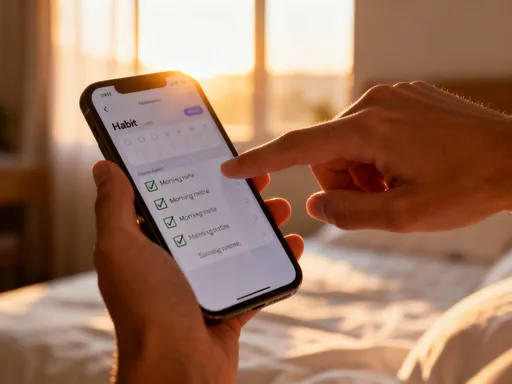
I tied my learning to an existing habit: morning coffee. While the kettle boiled, I’d open my course. No pressure to finish anything—just show up. If the internet was slow, I’d listen to an audio summary while stirring my oatmeal. If the day was too busy, I’d watch one five-minute clip before bed, even if my eyes were heavy. The goal wasn’t to complete a lesson—it was to stay connected. And that small connection kept the thread alive.
Flexibility became my secret weapon. I allowed myself to adapt—different times, different formats, different lengths. Some days it was 20 minutes. Others, just two. But I showed up. And over time, that consistency built trust. I learned to stop judging the quality of my effort and start honoring the act of showing up. Because in the end, it’s not about how long you learn—it’s about whether you show up at all. And when your habit is designed to fit your life, not fight it, showing up becomes second nature.
What to Do When Motivation Fades (Spoiler: You Don’t Need It)
Motivation is a fickle friend. It shows up when things are exciting and disappears when life gets hard. I’ve had weeks where I didn’t feel like logging in. The couch looked more inviting. The TV more tempting. My brain whispered, ‘You can skip today. No one will know.’ And some days, I almost believed it.
But here’s what I learned: habits don’t rely on motivation. They rely on commitment. So I made a tiny promise to myself: just one click. That’s it. Open the platform. That was my only rule. No pressure to watch, no guilt if I closed it right away. Just click. And something surprising happened—most of the time, that one click led to watching. My resistance melted once I started. Other times, I did close the tab. But I still showed up. And that act—small as it was—kept my habit alive.
Over time, this built something deeper than motivation: discipline. Not the harsh, punishing kind, but the gentle, consistent kind. The kind that says, ‘I may not feel like it, but I’m doing it anyway.’ That discipline became a quiet source of pride. I started trusting myself more. I knew I could count on me, even on the hard days. And that trust—that belief in my own consistency—became more powerful than any burst of inspiration.
How Consistent Learning Changed More Than My Skills
I started this journey to learn new things—to get better at organizing my home, managing my time, understanding my emotions. And yes, I did gain skills. But what I didn’t expect was how it would change me on the inside. Regular learning became a form of self-respect. It became a daily reminder that I was worth investing in. That I wasn’t ‘just a mom’ or ‘just a wife’—I was a person growing, evolving, becoming.
That mindset shift rippled into every part of my life. I became calmer, not because I learned a new breathing technique—though I did—but because I felt more in control. I was showing up for myself, and that built confidence. I started making better decisions at work, setting kinder boundaries at home, and even resting more intentionally. Learning wasn’t just something I did—it became part of who I was.
And perhaps the most beautiful part? My children noticed. They saw me reading, reflecting, trying new things. I wasn’t just teaching them through words—I was modeling growth. I was showing them that it’s okay to learn slowly, to make mistakes, to keep going. In a world that often values speed and perfection, I was quietly teaching them the power of showing up, again and again, simply because you believe in your own growth.
So if you’ve ever felt stuck in your learning journey, I want you to know this: it’s not about the course. It’s not about the time. It’s about the rhythm. It’s about choosing small, consistent moments that add up to real change. You don’t need more willpower. You don’t need more hours. You just need to show up—today, and tomorrow, and the day after. Because the most powerful tech in your life isn’t the device you’re using. It’s the habit you build around it. And that habit? It can transform everything.